For MG Awareness Month: What Patients Want Life Science Companies to Know
AUTHOR: Dave Muggler- President PatientSight | PUBLISHED: Jun 14, 2026
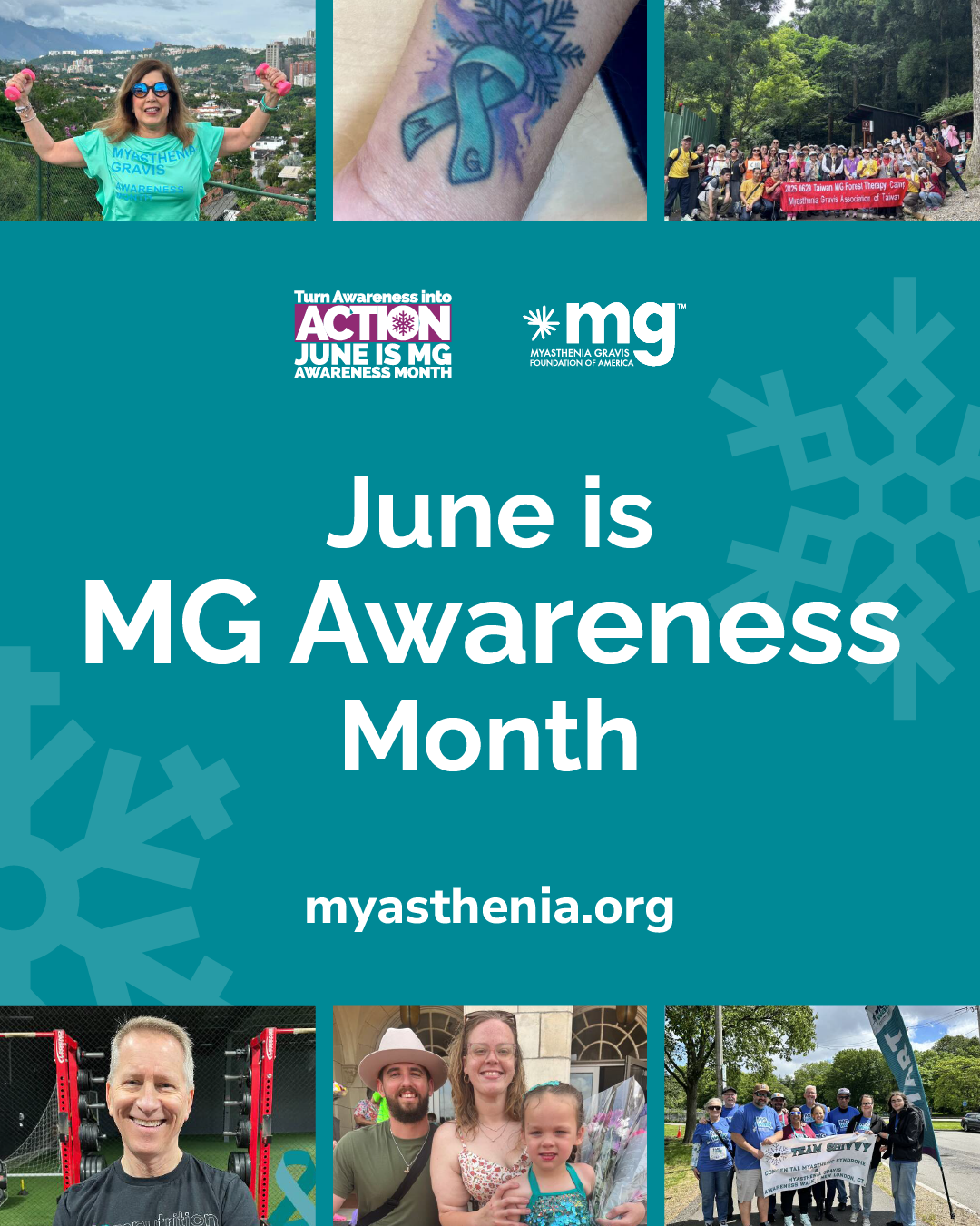
As part of PatientSight's "The Patient Experience Benchmark Report", 102 people in the US living with generalized myasthenia gravis (gMG) were surveyed. Patients described it as a life-altering condition that affects far more than muscle strength alone. Across responses, participants emphasized that living with gMG involves constant adaptation, uncertainty, and effort. While some patients reported meaningful improvements with treatment and expressed hope for living full and productive lives, many noted that the disease continues to impact nearly every aspect of daily living, including physical functioning, emotional well-being, work, family responsibilities, and social participation.
A dominant theme was the highly individualized nature of gMG and treatment response. Patients repeatedly described gMG as a “snowflake disease,” emphasizing that no two experiences are alike. Symptoms, severity, triggers, and treatment outcomes vary considerably from person to person, and even within the same individual over time. Many participants stressed that therapies that work well for one patient may provide little benefit for another, highlighting the need for more personalized treatment approaches, greater recognition of disease subtypes, and increased inclusion of often-overlooked populations such as seronegative patients.
Another major theme was the unpredictability of symptoms and the profound burden of fatigue. Patients frequently described never knowing what kind of day they would have, with symptoms fluctuating from hour to hour or day to day. Exhaustion emerged as one of the most debilitating aspects of the disease, affecting the ability to work, perform household tasks, care for family members, travel, socialize, or even complete basic self-care activities. Many noted that because gMG is often an “invisible” illness, others—including healthcare providers and the general public—may underestimate its impact despite the constant physical and emotional effort required to manage symptoms.
Patients also highlighted the challenges associated with navigating treatment and the healthcare system. Respondents described significant burdens related to infusions, medication management, insurance approvals, specialty pharmacies, and treatment side effects. Many expressed frustration with limited awareness of gMG among healthcare professionals, emergency personnel, and the public, leading to concerns about receiving appropriate care during exacerbations or crises. Participants also emphasized the importance of support systems, including family, caregivers, patient advocates, and educational resources, and called for more holistic approaches that address emotional health, quality of life, and practical day-to-day needs in addition to symptom control.
Overall, patients conveyed that while advances in treatment have improved outcomes for many individuals with gMG, substantial unmet needs remain. They want therapies that are more effective, consistent, affordable, easier to administer, and less burdensome, as well as greater understanding of the realities of living with the disease. Above all, patients expressed a desire to be recognized as individuals rather than treated as a homogeneous group, underscoring the importance of patient-centered care, personalized treatment strategies, and continued innovation aimed at improving both clinical outcomes and quality of life.